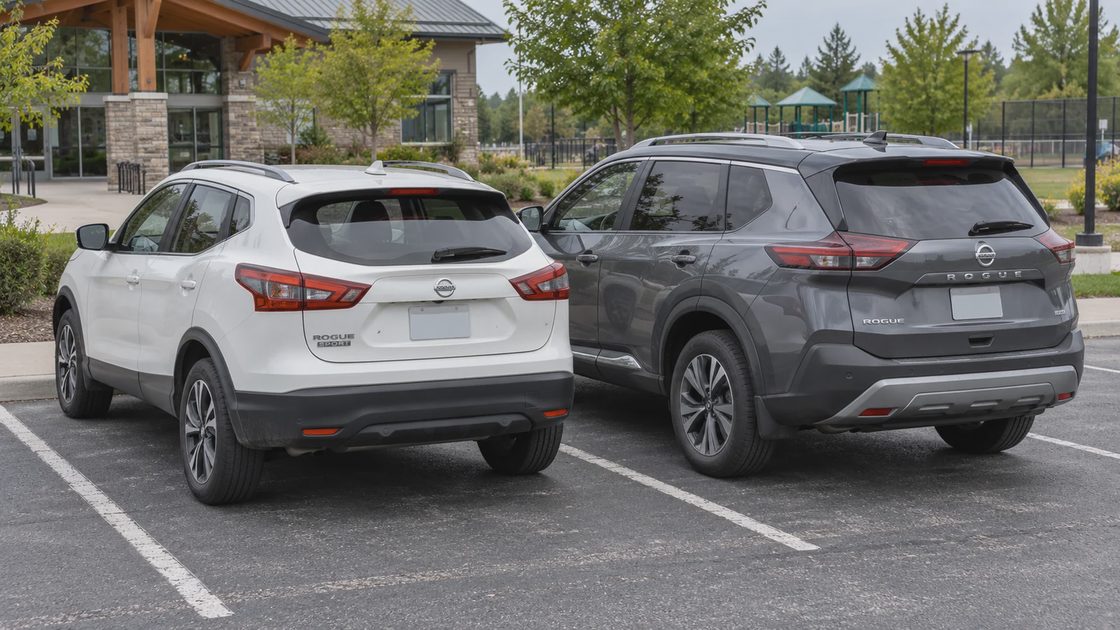
The Nissan Rogue and Nissan Rogue Sport are separate vehicles; Sport is not a performance trim of the larger Rogue.Sport is not a performance trim of the larger Rogue. Start by deciding which size you actually need: choose Rogue Sport if a shorter vehicle solves a real parking constraint and your rear passengers and cargo still fit; choose the larger Rogue if rear passengers or everyday cargo are regular needs. Only after that decision should you compare trims, condition, and price within the model you selected. Look past the badge and the model name. Check whether the size and interior actually fit your use.
First remove three misleading assumptions
“Sport must mean quicker.” The name identifies the smaller model. It is not evidence of a more powerful engine or sportier performance than an equivalent-year Rogue.
“The smaller one must save more gas.” Physical size alone cannot establish efficiency. Compare the actual model year, engine, drivetrain, and revised fuel-economy rating. A later Rogue and a Rogue Sport can use substantially different powertrains.
“An SL badge means the same equipment.” Trim names overlap, but their content depends on the vehicle, year, and option package. Treat each badge as a route into the specifications, not a complete equipment list.
Nissan’s separate 2022 Rogue and 2022 Rogue Sport specifications make the model distinction clear. Using the same year also avoids quietly comparing an older Sport with a newer generation of Rogue.
A same-year comparison shows the real trade-off
These are U.S. 2022 specifications, not measurements of the particular used vehicles in your search. Other years require their own comparison.
Question | 2022 Rogue | 2022 Rogue Sport |
|---|---|---|
How long is it? | 183.0 inches | 172.8 inches |
How wide is the body? | 72.4 inches | 72.3 inches |
Which engine is specified? | 1.5L turbocharged three-cylinder | 2.0L four-cylinder |
Published horsepower | 201 hp | 141 hp |
Transmission type | CVT | CVT |
Main trim names | S, SV, SL, Platinum | S, SV, SL |
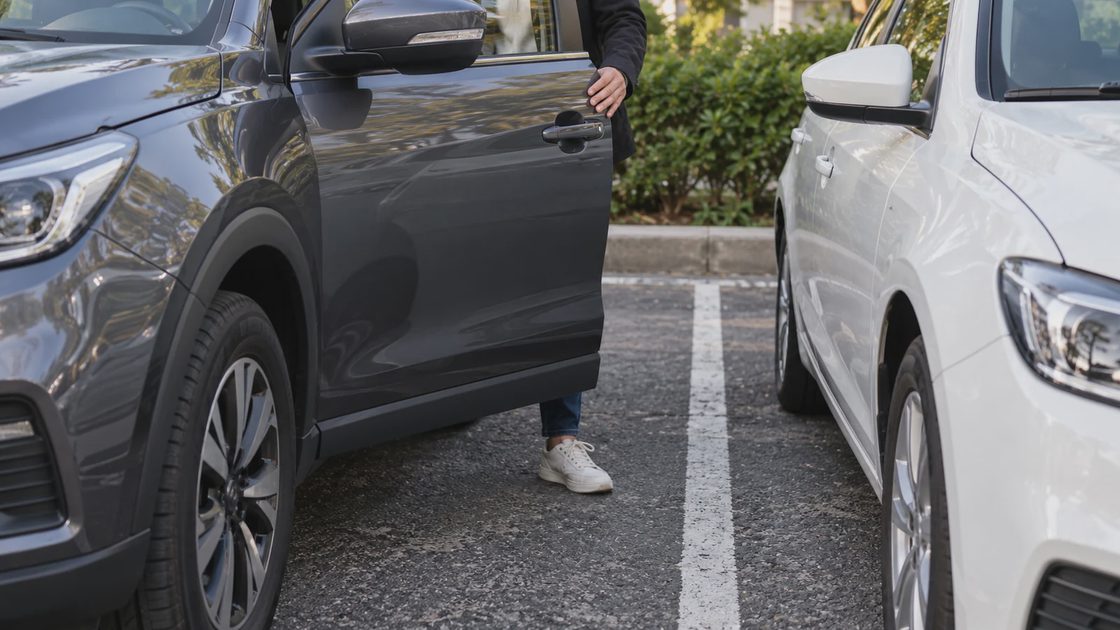
Using the 2022 dimensional specifications, the Sport is 10.2 inches shorter, but its listed body width is almost the same. That is useful if your difficulty is parking length; it is not a reason to assume dramatically more door-opening clearance in a narrow garage. Mirrors and the space needed to enter the car still matter.
Nissan also publishes different cargo figures depending on trim and cargo-floor arrangement. I would not compare one model’s maximum seats-folded figure with the other’s seats-upright number. Load the items you normally carry with the rear seats arranged as you actually travel.
When Rogue Sport makes more sense
Imagine your regular passengers are one or two adults, your parking space is short, and you rarely fill the rear seats. In that situation, the smaller model deserves a close look. Paying for the larger vehicle’s unused capacity may not improve your daily routine.
My viewing priorities would be practical:
Park in a space resembling your usual one, with the owner’s permission.
Check rear visibility and the fitted camera rather than assuming every parking aid is present.
Try a normal entry and exit beside another parked vehicle.
Bring the bag, case, or folded equipment that determines whether the cargo area works.
The compromise is to accept the smaller model only after checking passenger and load needs honestly. If adults regularly ride behind a tall driver, or a stroller and luggage must travel together, a shorter exterior may solve one problem while creating another. In that case, I would not choose Rogue Sport just because it is easier to park. The daily inconvenience usually outweighs the parking benefit.
Also drive it on the kind of road you use. Assess merging response and cabin comfort yourself under normal, legal conditions. A model name cannot tell you whether the available acceleration feels adequate for your route.
When the larger Rogue earns its space
I would move the larger Rogue ahead on the shortlist when rear passengers and cargo are routine needs rather than occasional possibilities. The useful comparison is a normal week: school or work bags, shopping, adult passengers, and the seat positions everyone needs.
Try these configurations before deciding:
Set the driver’s seat for the actual driver, then test the seat directly behind it.
Keep the rear seats upright and load your largest regular item.
Check whether the liftgate closes normally and whether the load blocks the view you need.
Fold the seats only if that is how the car will be used, then test the folding mechanism.
More room does not automatically justify any price premium. A larger vehicle that stretches your cash reserve or needs unresolved repairs can still be a poor purchase. I would compromise on upholstery or an optional screen before buying space I cannot afford to maintain. If the larger Rogue forces you to accept missing service records or a higher repair risk, the extra room is not worth it.
Keep generation changes in view. The 2022 Rogue in the table uses a different engine from the standard 2.5L vehicle described in Nissan’s 2021 Rogue launch specifications. Do not apply the 2022 engine row to every used Rogue with a similar-looking body.
Compare Nissan Rogue trim levels as feature bundles
Nissan Rogue trim levels should come after model size and powertrain in your decision. For the 2022 examples, both vehicles use S, SV, and SL names, while Platinum appears on Rogue’s list. Those shared letters do not establish identical seats, cameras, driver aids, or connectivity.
I organize the equipment check around three questions:
What must work every day? Seat adjustment, air conditioning, visibility, phone connection, and access can matter more than the highest trim name. Demonstrate the features on the actual car.
Which optional features are genuinely fitted? Ask for the original window sticker or model-specific package information, then verify operation. A seller’s copied equipment list can include features the car does not have.
Which extras create value for you? A feature can be desirable without justifying a large premium. If you would not choose it separately, be cautious about paying extra simply because the package contains it.
SV is a reasonable place to begin comparing convenience equipment, but it is not an automatic best-value answer. A well-maintained S with the functions you need may suit you better than an SL with a vague history and expensive catch-up work.
Does Rock Creek solve a real need?
Nissan’s 2025 Rogue announcement introduced Rock Creek with features including all-terrain tires on 17-inch wheels and a tubular roof rack. It belongs in a later-model Rogue comparison, not in the 2022 trim table above.
If your routine includes maintained gravel access roads and outdoor equipment, evaluate the specific hardware and condition. Ask about tire size, replacement cost, roof-accessory requirements, and the actual vehicle’s load limits before assuming the equipment suits your plans.
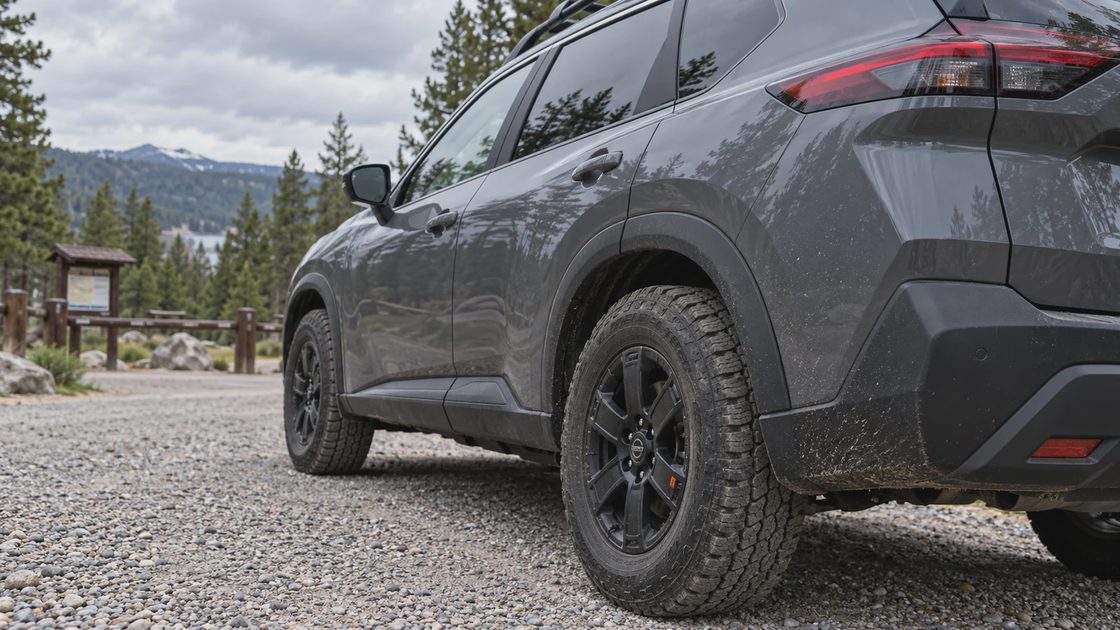
For a mostly paved commute, I would compare ride, tire noise, and ownership costs against a conventional trim. Rugged styling does not establish lower costs, greater reliability, or unlimited trail ability. Check applicable engine campaigns and service history with the same care as on another Rogue.
Choose Rock Creek because its equipment serves your use, not because its badge seems like a reliability upgrade.
Make used listings comparable before negotiating
With a Nissan Rogue used as your price benchmark, check that the other listing matches its model, generation, trim, and drivetrain. Condition and fees can change the comparison further. Searching for a used Nissan Rogue for sale can also surface Rogue Sport vehicles; confirm the model name before saving the price as a comparison.
For each finalist, keep a short record:
Record together | Why it changes the comparison |
|---|---|
Model, year, trim, engine, and drivetrain | Prevents a Sport or different-generation vehicle becoming a false price benchmark |
VIN and service / repair invoices | Grounds claims in the particular car |
Written inspection findings | Separates known work from unresolved diagnosis |
Written out-the-door price | Includes charges beyond the advertised figure |
Insurance quote and identified work | Tests whether the apparent bargain fits ownership costs |
Check the VIN using NHTSA’s recall lookup, then ask a Nissan dealer about applicable campaigns and any claimed remaining coverage. The lookup has limits and does not replace an independent mechanical inspection. Avoid treating a completed recall as proof that the rest of the car is healthy.
My choice is the smaller model when its footprint solves a genuine constraint and the interior still works; the larger Rogue when its usable room earns the additional cost. Before the next viewing, choose one non-negotiable test—your parking space, your rear passenger, or your regular cargo—and make the car prove it fits.