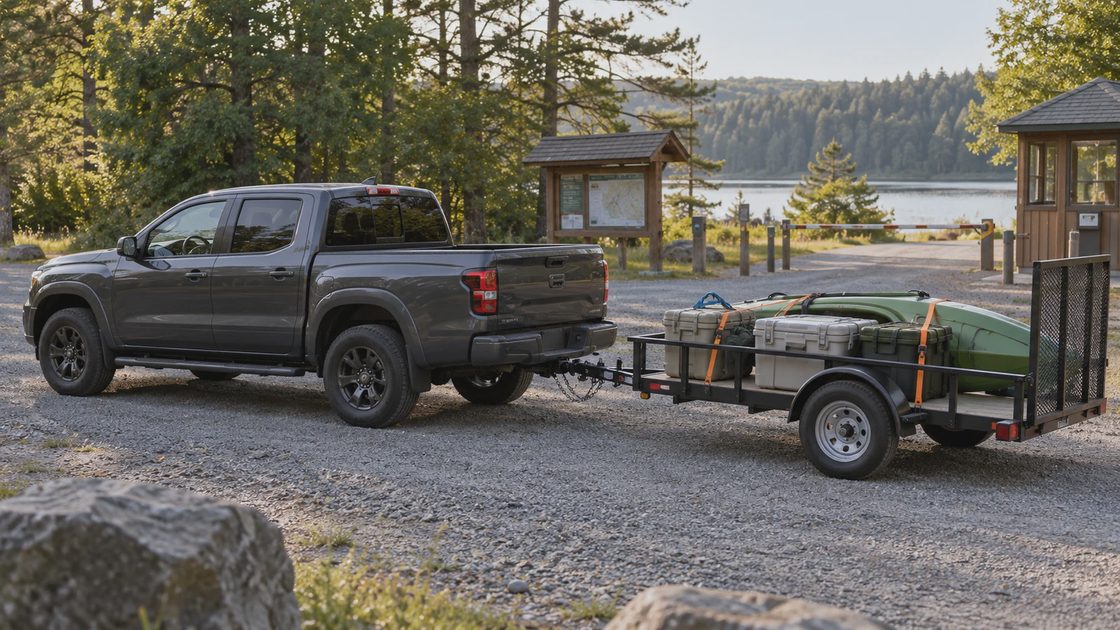
Nissan Frontier reliability is only half the buying decision if you plan to tow. A mechanically healthy truck can still be the wrong configuration for your loaded trailer, passengers, and equipment. Start with the load you need to move, then inspect the used Nissan Frontier that can carry it within its ratings.
The 2018, 2020, and 2021 model years deserve separate attention. The 2020 truck introduced a new engine and automatic transmission before the later body redesign. A familiar-looking cab therefore does not guarantee the same drivetrain. This guide connects that transition with a towing worksheet and an inspection focused on how a used truck may have worked.
The powertrain transition hidden beneath the familiar body
Nissan’s 2020 Frontier press kit documents the change to a 3.8-liter V6 and nine-speed automatic. The 2021 specifications continue that combination. A 2018 Nissan Frontier belongs to the earlier powertrain lineup, with engine and transmission choices varying by version.
Shopping target | What to establish before comparing |
|---|---|
2018 Nissan Frontier | Engine, transmission, cab, bed, and drivetrain; do not use a V6 rating for every truck. |
2020 Nissan Frontier | New V6/nine-speed combination, service history, and applicable recall completion. |
2021 Nissan Frontier | Same broad transition-era configuration; compare actual equipment, condition, and records. |
Later redesigned trucks | Use their own specifications; do not transfer earlier ratings by appearance or engine name. |
If you are considering a Nissan Frontier used mainly for commuting, establish that history rather than assuming all older-looking Frontiers worked the same way. Narrow the truck configuration before comparing asking prices or towing headlines.
Three limits determine whether the trailer fits
Nissan Frontier towing capacity is not one universal number. Nissan lists a maximum of up to 6,690 pounds for the 2018 range, and up to 6,720 pounds for 2020 and 2021, when properly equipped. Those are range maxima, not the rating of every used truck.
Your candidate must satisfy several limits at once:
Trailer limit: the loaded trailer must remain within the exact truck’s applicable towing rating.
Vehicle and axle limits: passengers, cargo, hitch hardware, and trailer tongue load must fit within the truck’s permitted weights.
Combined limit: the loaded truck and loaded trailer must remain within the manufacturer’s gross combined weight rating.
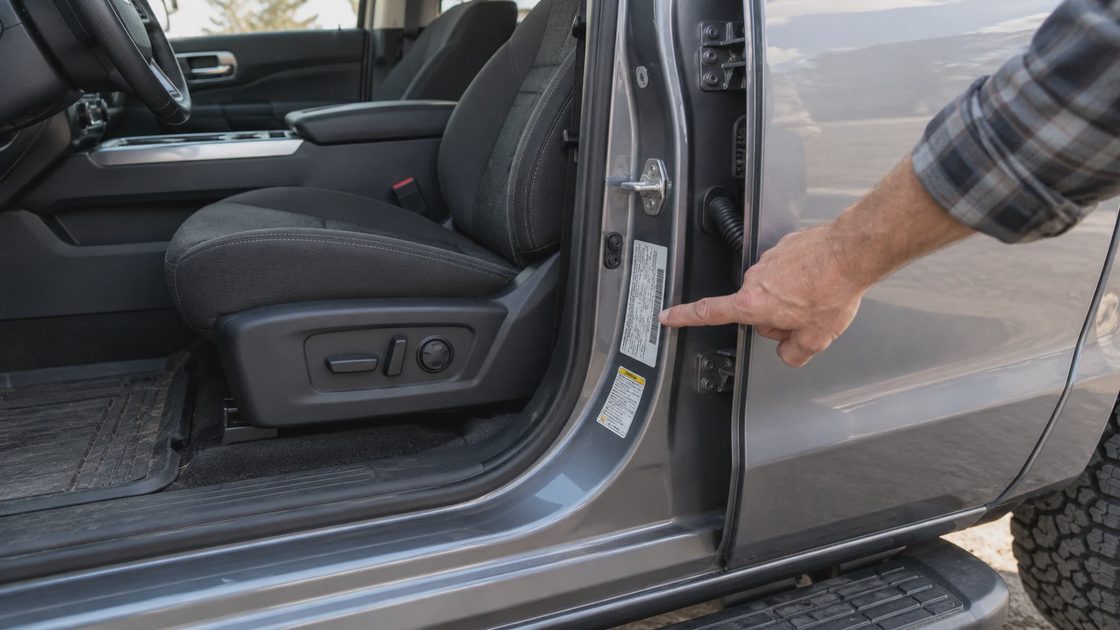
The 2018 owner’s manual explains the loading and towing limits for that year. The hitch, ball, coupler, tires, and other equipment also have ratings. A stronger aftermarket hitch does not increase the truck’s factory limits. Have the configuration confirmed from the manual, vehicle labels, and manufacturer information.
Work through payload before celebrating the tow rating
Payload is the weight the truck can carry, including people and cargo. Trailer tongue weight—the downward force the trailer applies at the hitch—uses part of that allowance. That is why a trailer below a headline tow rating can still create a vehicle-loading problem.
Hypothetical planning example: assume a truck’s actual loading label allows 1,200 pounds for occupants and cargo. Assume 400 pounds of occupants, 250 pounds of cargo, 70 pounds of hitch equipment, and a 500-pound measured tongue load.
Load placed on the truck | Assumed weight |
|---|---|
Occupants | 400 lb |
Cargo | 250 lb |
Hitch equipment | 70 lb |
Trailer tongue load | 500 lb |
Total | 1,220 lb |
Amount above assumed allowance | 20 lb |
This is not a Frontier test or a recommended loading plan. The assumed truck exceeds its payload allowance even before further uncertainties are considered. Replace every input with the actual vehicle label and measured loads. A brochure’s maximum towing number cannot cancel that result.
Use the trailer’s loaded travel condition, including the equipment and supplies you will carry. Dry trailer weight alone omits important inputs. For final planning, use appropriate scales and verify axle, combined, trailer, and equipment limits as well as payload.
Reliability evidence should reflect the truck’s working life
An odometer describes distance, not the weight carried or the terrain traveled. A truck used mainly for commuting and one used for frequent hauling can present different inspection questions at similar mileage.
Ask how the truck was used, then look for evidence that supports or complicates the answer. A bedliner can conceal wear as well as protect the bed. Hitch wear suggests questions about prior use, but its presence does not establish abuse. Likewise, an unused-looking receiver does not prove the vehicle never towed.
I would ask the inspector to assess these areas:
Frame and underside: corrosion, damage, repairs, and mounting points.
Driveline: leaks, abnormal noise, vibration, and engagement behavior.
Suspension and steering: wear, alignment concerns, and modifications.
Brakes and tires: condition, correct specifications, and suitability for intended use.
Cooling and electrical systems: condition and any poorly installed towing accessories.
I have the inspector check those areas. In the records I reviewed, Frontiers that regularly towed or carried heavy bed loads more often showed earlier wear at mounting points, hitch areas, and rear suspension even when the odometer looked moderate. That pattern does not prove abuse, but it changes how carefully I weigh the service history before negotiating.
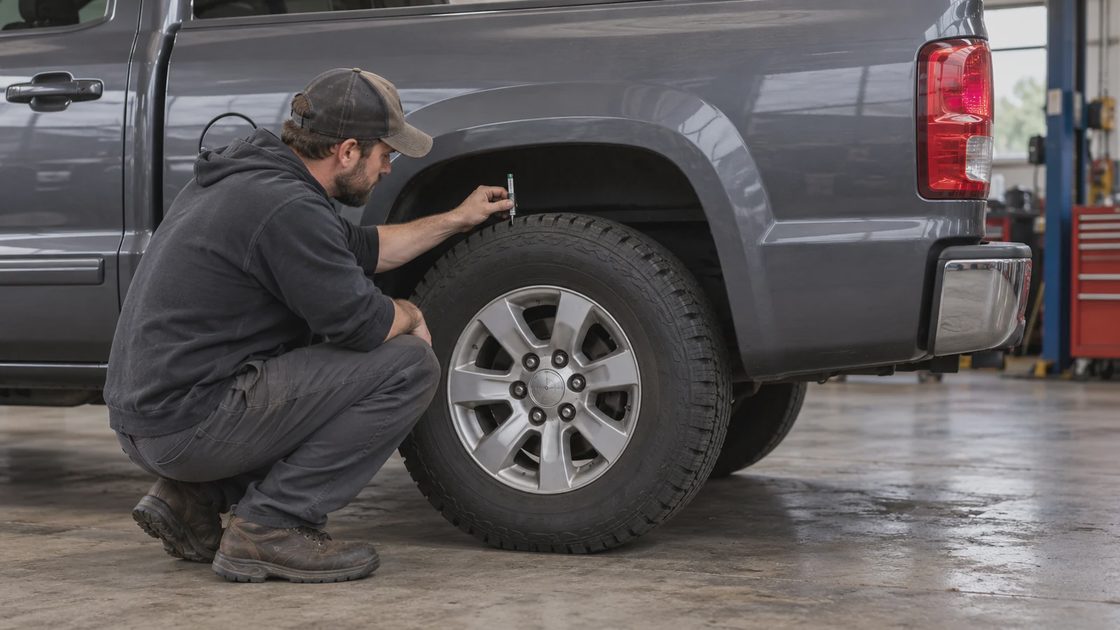
Lift kits, oversized tires, and other modifications require extra scrutiny. They can change how the truck drives and complicate comparisons with factory specifications. Ask a qualified shop to evaluate the installation and implications rather than assuming an aggressive appearance adds useful towing capability.
The 2020–2021 recall question to resolve
Certain transition-era Frontiers were covered by transmission parking-pawl campaigns. The NHTSA-hosted Nissan campaign notice identifies a concern affecting certain 2020–2022 vehicles. A parking pawl is the mechanism intended to hold an automatic transmission in Park.
Ask Nissan to identify all applicable campaigns and confirm current remedy completion for the VIN. Historical campaign paperwork is background, not a current status report for the specific truck. Obtain the repair order rather than relying on a seller’s recollection that a software update was done.
Use the parking brake as instructed in the owner’s manual, and follow any outstanding campaign guidance. A completed remedy answers that campaign question; it does not certify the rest of the transmission or establish the vehicle’s overall reliability.
I require the repair order on any 2020–2021 Frontier with the parking-pawl campaign. In the service records I reviewed, examples where the seller only recalled that “it should have been done” more often needed extra verification before I treated the transmission history as complete. A completed remedy addresses that specific issue; it does not clear the rest of the powertrain. I keep that difference in the inspection and the offer calculation.
A test drive that answers ordinary ownership questions
Drive the truck unloaded first, in normal legal conditions. Check starting behavior, braking, steering, and transmission response with a mechanic’s guidance. Note whether a vibration occurs with road speed, engine load, or braking instead of immediately assigning it to a particular part.
Try the cab as you will use it. A rear seat that works for occasional short trips may not fit regular passengers comfortably. Check bed access, tailgate operation, tie-downs, and whether your required cargo fits without relying on an improvised arrangement.
Do not attach an unfamiliar trailer simply to see whether the truck “pulls it.” A demonstration of movement does not establish braking capacity, loading compliance, or stable operation. Resolve the configuration and weight questions before towing, then arrange any practical evaluation with appropriate equipment and experienced help.
Leave room for the trip you will actually take
A loading plan should describe departure day, not an empty demonstration. Account for the people who will travel, the equipment stored in the cab and bed, and supplies added to the trailer. Revisit the plan when those inputs change rather than reusing a calculation made for a lighter trip.
Some accessories consume payload before you pack anything: a bed cap, storage system, or other installed equipment adds weight. Establish what the current vehicle label accounts for and what has been added since. Ask a qualified towing specialist when the accounting is unclear.
Weight-distributing equipment requires the same care. It may alter how load is shared between axles, but it does not create permission to exceed vehicle or component ratings. Follow the truck and hitch manufacturers’ instructions for the exact setup. If your regular load depends on every estimate being favorable, consider a configuration with more suitable capacity rather than stretching the assumptions.
Compare complete trucks, including missing equipment
Buying a Nissan Frontier second hand may mean adding towing equipment that the advertisement does not include. Confirm the receiver, wiring, required braking provisions, and compatibility for your intended trailer. Ask an installer for a vehicle-specific quote instead of assuming a visible hitch makes the setup complete.
Keep equipment cost separate from repairs. Adding the hardware you need can be a reasonable purchase expense; fixing an unresolved transmission complaint is a different uncertainty. Neither should vanish from the budget because the truck’s asking price looks attractive.
Request service invoices and the VIN before traveling. Compare a 2018 with a 2020 or 2021 only after accounting for the powertrain difference, actual configuration, necessary work, and equipment. A newer year cannot substitute for a coherent history.
Consider walking away in these situations:
The seller cannot provide the VIN or service records.
Your load calculation already exceeds the truck’s ratings, but the seller continues to quote the maximum towing number.
The truck has significant modifications and the seller refuses a professional evaluation.
A 2020 or 2021 model has an open parking-pawl campaign and the seller is unclear about whether it was completed.
Reliability reputation cannot supply missing payload, and a generous tow rating cannot repair a worn-out truck or missing service history.
Take one completed load sheet to the next viewing
Before booking a visit, write down your trailer’s loaded weight, tongue load, passengers, cargo, and hitch equipment. Leave unknown values marked unknown. Then ask the seller for the truck’s loading-label photo and identifying information.
That gives you two clear decisions: whether this configuration can do the job, and whether this individual truck is worth owning. Buy only when both answers are supported. Reliability reputation cannot supply missing payload, and a generous tow rating cannot repair a worn-out truck.
For 2020 and 2021 Frontiers, confirm that the transmission parking-pawl campaign has been completed on that specific VIN. A completed remedy addresses that known issue; it does not certify the rest of the transmission or the truck’s overall condition. I would want the repair order, not a seller’s recollection that “it should have been done.” Before you visit, write down your actual loaded trailer weight, tongue load, passengers, and cargo. Then ask for a photo of the truck’s loading label. If the configuration cannot carry the load within its ratings, or if the service history does not support how the truck was used, the asking price becomes secondary. Look past the badge and the mileage. Check the history and the load label before you decide.