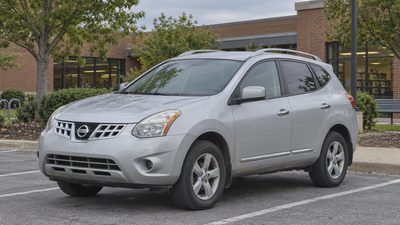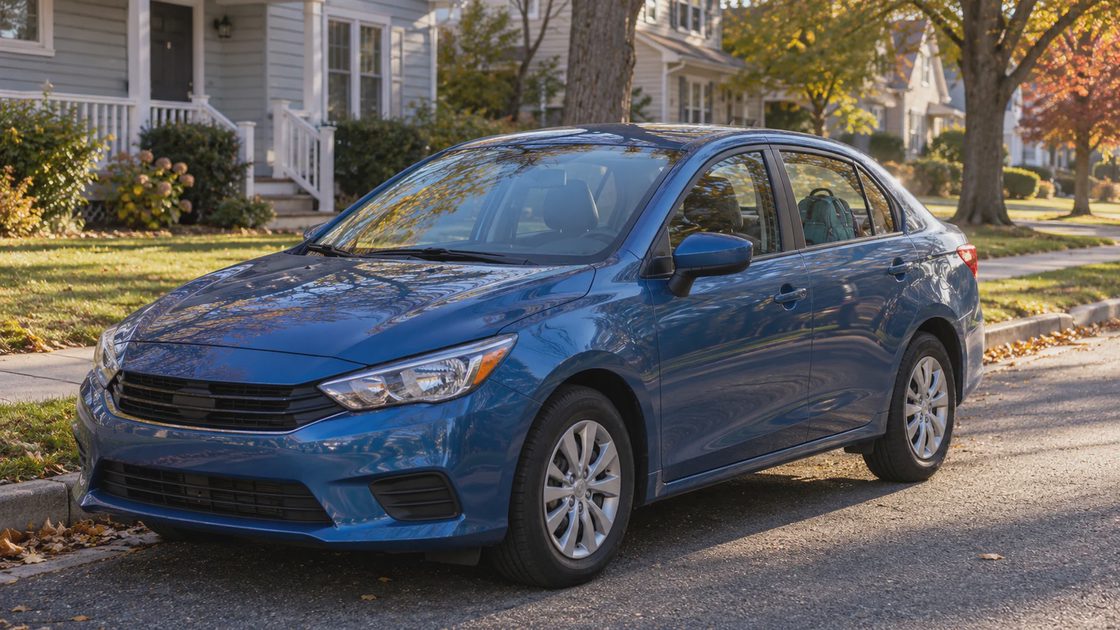
Are Nissan Sentras good cars? A used Sentra can work well as a compact commuter if its space, equipment, condition, and ownership costs match your needs. The first useful distinction is generation: a 2015 Nissan Sentra and a 2021 Nissan Sentra are not simply the same car at different ages.
If you are asking, “Is Nissan Sentra a good car for everyday use?” or “Are Nissan Sentras reliable?” separate a model’s reputation from evidence about the vehicle you can actually buy. Generation identifies what to compare. Invoices, a VIN check, and an independent inspection establish what remains uncertain. Start there before treating a newer year or a sporty badge as a reliability guarantee.
Find the generation before comparing the price
For the years in this guide, 2015, 2016, and 2018 belong to the seventh-generation range; 2020 introduced the eighth generation in the United States. Nissan’s 2020 launch documentation describes a new platform, a 2.0-liter engine, and independent rear suspension.
Those changes explain why crossing from 2018 to 2020 can change the driving and cabin comparison. They do not establish a measured improvement in long-term reliability. New equipment and proven durability are different claims.
Your shortlist | Useful reason to compare it |
|---|---|
2015 Nissan Sentra | A lower purchase budget, with condition and remaining reserve doing most of the work. |
2016 Nissan Sentra | Refreshed older-generation appearance and equipment; verify the actual trim. |
2018 Nissan Sentra | Later older-generation car; identify standard versus turbo versions and driver assistance. |
Nissan Sentra 2020 | First year of the redesigned generation; compare actual comfort and maintenance evidence. |
2021 Nissan Sentra | Same broad newer-generation lane; pay attention to equipment and individual history. |
Use these as comparison groups, not a ranked list. A clean 2018 and a neglected 2021 can reverse the result you expected from the dates alone.
Build a commuter brief before shopping trims
Compact-car buying often begins with a price filter, but the car still has to complete your routine. Write a short brief describing passengers, journey length, parking, and equipment you will use every day.
Try the following while the car is parked:
Set the driver’s seat for your normal posture, then check whether another regular passenger can sit behind it.
Load the largest item you carry weekly through the trunk opening.
Check rear-door access if passengers use it frequently.
Sit long enough to notice headrest, thigh support, and visibility concerns.
Try your phone connection instead of assuming a screen provides the integration you need.

A specification sheet cannot answer every fit question. An advertised capacity can include space that is awkward to load, and a seat can feel acceptable for two minutes but wrong for a longer commute. Your own parked fit check provides evidence about suitability, even though it cannot assess mechanical durability.
What the older-generation years change
2015: buy the condition you can establish
Nissan’s 2015 Sentra press kit shows equipment differences across grades. A well-equipped example can be pleasant, but features do not compensate for unexplained drivability symptoms or several overdue repairs.
Ask for routine service records and any transmission-related invoices. Match their dates and mileage to the car. A seller’s phrase such as “recently serviced” needs a description of the actual work. Price a 2015 Nissan Sentra against comparable condition and title history, not merely other advertisements carrying the same model name.
2016: a refresh is not a new generation
The 2016 update brought revised styling and other changes within the existing generation. Avoid treating its newer face as evidence that every underlying ownership concern disappeared.
For a 2016 Nissan Sentra, inspect the actual wheels and tires, cabin equipment, and maintenance history. An aftermarket radio or wheel package changes what you are buying from the original specification. Verify installation quality and replacement costs rather than assigning value from appearance alone.
2018: distinguish SR from SR Turbo
Nissan’s 2018 lineup included ordinary grades, SR Turbo, and NISMO versions, with different powertrains and transmission choices. The SR badge by itself does not establish that a car has the turbo engine.
Driver-assistance equipment also needs version-specific checking. The 2018 automatic-emergency-braking provision had exclusions, including manual-transmission and NISMO cars. Confirm the exact vehicle rather than attaching a blanket equipment list to every 2018 Nissan Sentra.
If a performance version interests you, investigate modifications and repair history. Ask the shop whether nonstandard parts affect diagnostics or maintenance. A performance badge can be a valid preference, but it creates additional questions rather than answering the reliability question.
What changes when you move to 2020 or 2021
The redesigned Sentra offers a different starting point for the cabin and road test. Compare seat comfort, rear access, visibility, and controls directly with the older car; do not pay the generation premium before establishing that you benefit from it.
A Nissan Sentra 2020 listing may emphasize its redesigned platform and standard safety features. Verify warning-light behavior and ask about collision or windshield repairs that could involve driver-assistance components. Have a qualified shop assess faults instead of deliberately testing an emergency intervention.
For a 2021 Nissan Sentra, Nissan’s U.S. specifications document substantial differences among grades and optional packages. A sunroof, camera system, or heated-seat description should correspond to the actual equipment and work correctly while parked.
Connected services are another separate check. Original availability does not prove that a subscription, network-dependent feature, or previous owner’s account access remains active today. Verify your intended function before assigning it value.
Is Nissan Sentra a good car when the CVT history is incomplete?
An incomplete service history is uncertainty, not a diagnosis. The useful response is to obtain a specialist’s assessment and decide whether the price and reserve account for what cannot be established.
A CVT can hold engine speed differently from a conventional automatic. Have the inspector distinguish expected operation from symptoms such as delayed engagement, shuddering, or abnormal noise. Report when a symptom appears and whether the car is cold or warm.

If a transmission was replaced, request the invoice, installation mileage, unit description, and warranty terms. A documented replacement can make the history easier to evaluate, but it does not guarantee future operation. A vague promise of “a new gearbox” provides less useful evidence.
Do not accept a fluid change as a guaranteed cure for an existing fault. Ask the shop to diagnose the complaint and specify the correct procedure for that vehicle.
I treat an incomplete CVT history as a pricing and reserve question, not a reason to reject the car outright. In the service records I reviewed, Sentras with missing fluid and repair invoices more often returned later with engagement or noise concerns that required further diagnosis. A fluid change may help if the unit is still healthy; it will not repair an already damaged transmission. I keep that difference visible in the offer calculation.
Compare the first year of ownership
A compact sedan is affordable only if the complete plan is affordable. Add the purchase price, transaction costs, required work, insurance, and a repair reserve. Use the same categories for both generations so that a cheaper listing does not receive an unfair advantage.
Keep uncertain costs visible. If the inspection cannot explain a warning light or recurring vibration, enter “diagnosis required,” not zero. A written estimate can support an offer; an unexplained problem cannot be converted into a reliable budget through optimism.
Before paying a deposit, obtain the VIN and confirm current recall information with Nissan. That check addresses campaigns, while the inspection addresses the car’s present condition. Neither should be treated as a replacement for the other.
Choose wheels for the roads you actually drive
Wheel appearance can create a misleading comparison between trims. Before paying for the look, read the tire size on the actual car and request a replacement quote for a suitable set. Compare that cost with the remaining condition and age of the fitted tires, as assessed by the shop.
I shortlist the older generation when its lower total starting cost leaves a useful reserve and its condition is clear. I consider the newer generation when its fit and equipment solve a daily need and the extra cost remains manageable. In the records I reviewed, a clean 2018 with documented service often cost less to own in the first year than a 2021 whose history stopped after the first owner. That pattern does not make one generation better; it changes which one I keep on the shortlist.
Then consider your route. Repeated potholes, tight curbside parking, and rough access roads make tire and wheel condition a practical concern. Look for damage and ask about repeated air loss or vibration. A seller’s reassurance that a wheel “just needs balancing” still requires verification.
You do not need to turn every commuter into the cheapest possible configuration. Paying for a preferred appearance is a legitimate choice when the budget supports it. Make the choice with the replacement cost visible, and avoid treating a sporty wheel package as evidence of either better mechanical health or a more suitable daily ride.
Choose the commute you want to own
Shortlist the older generation when its lower total starting cost leaves a useful reserve and its condition is clear. Consider the newer generation when its fit and equipment solve a daily need and the extra cost remains manageable.
Take your commuter brief to the next viewing and test the three features that matter most to you. Then let the inspection decide whether that particular Sentra deserves a place in your driveway.